
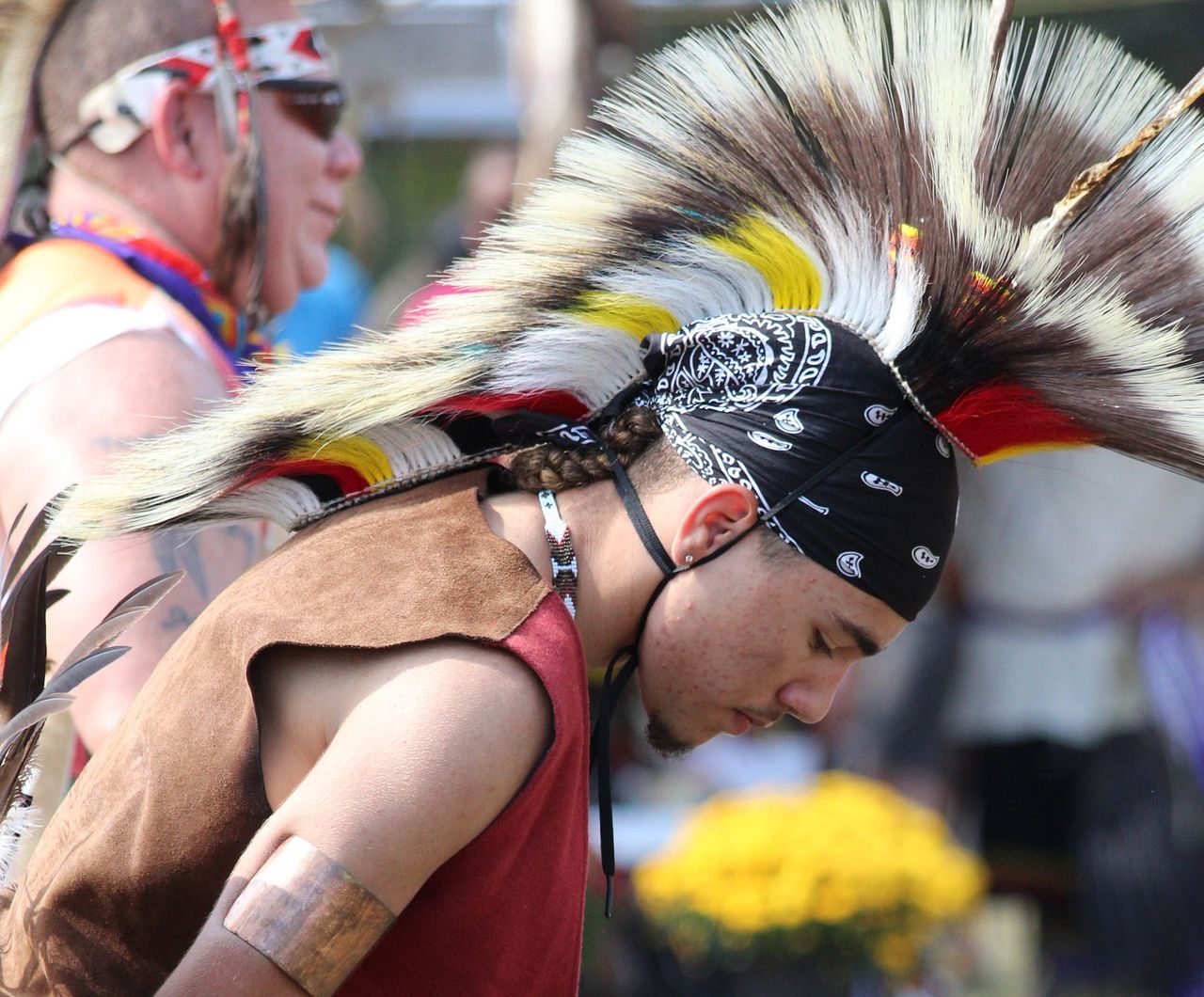
Every November, the United States recognizes Native American Heritage Month, a time to celebrate and honor the rich traditions, languages, and stories of Native American people. This month is not only a celebration of culture, but also an opportunity to raise awareness about the history, resilience, and challenges faced by Native communities today.
Native American Heritage Month was officially established in 1990 when President George H. W. Bush signed a joint resolution designating November as a time to recognize the contributions of Native Americans to the history and culture of the United States. Since then, communities across the country have observed this month through cultural events, educational programs, and acts of remembrance.
There are many ways to honor and appreciate Native American culture during this month. You can learn about important Native American leaders and their achievements, research the Indigenous history of the land where you live, or explore the Native tribes in your state.
In Virginia, for example, there are several recognized tribes, including the Mattaponi, Pamunkey, Chickahominy, Rappahannock, Monacan, Upper Mattaponi, Nansemond, and Cheroenhaka (Nottoway) peoples. Many of these tribes continue to preserve their languages, ceremonies, and customs while contributing to the state?s culture and community life.
Overall, Native American Heritage Month is an important time to recognize the achievements and lasting impact of Native peoples across the nation. Learning about and appreciating Native cultures helps us understand that the story of America began with the stories of its first people. After all, this land has always been a Native land.
Written by: Eveyln Johns
Edited By: Mathias Muñoz Gonzalez



Leave a Reply